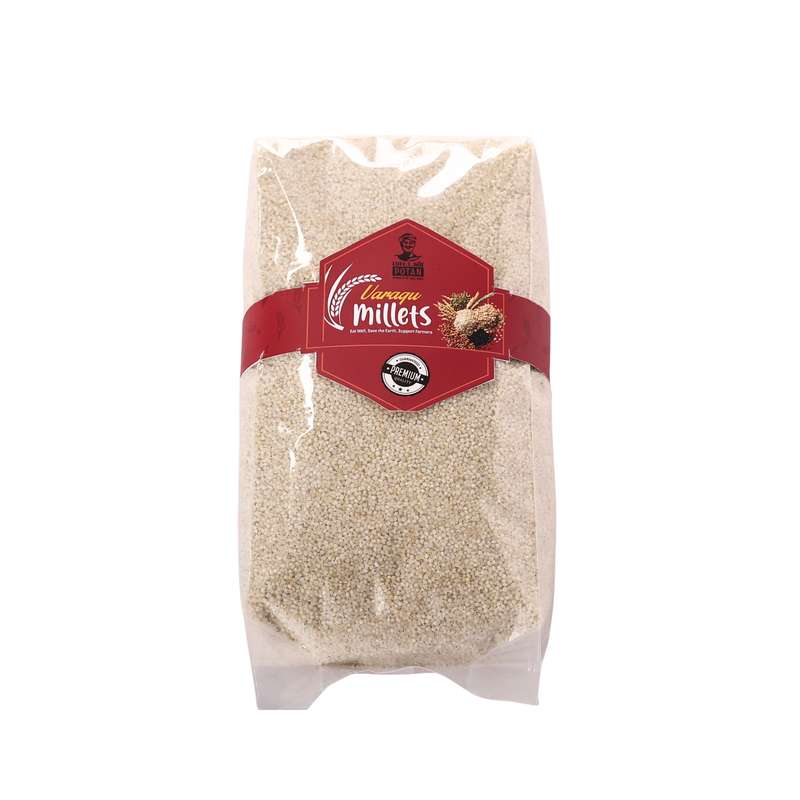
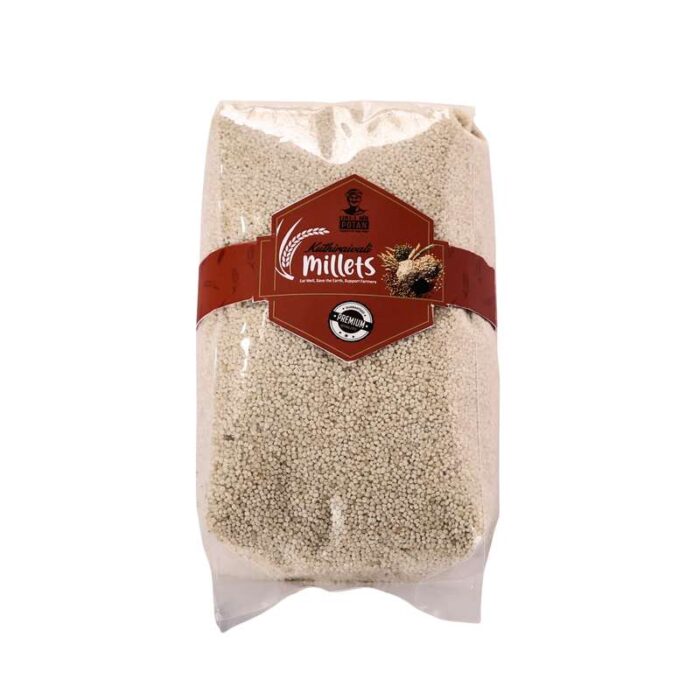
Varagu, scientifically identified as Paspalum scrobiculatum, holds a distinguished position in Tamil Nadu’s agricultural heritage as one of the most drought-resistant and nutritionally dense millets cultivated across the state’s challenging dryland ecosystems. In Tamil Nadu, varagu cultivation concentrates primarily in Salem, Dharmapuri, Dindigul, Madurai, and Sivagangai districts, where the combination of well-drained loamy to clay-loam soils and monsoonal rainfall patterns between 50-100 centimeters creates favorable conditions for this resilient grain.
The cropping season for varagu typically aligns with the Kharif monsoon, with farmers sowing seeds during June-July and harvesting the mature crop between September and November, completing a growing cycle of approximately 90-120 days depending on the variety and local climatic conditions. Tamil Nadu farmers particularly value varagu for its remarkable ability to produce reasonable yields even on marginal lands where other crops struggle, making it an essential component of sustainable dryland agriculture systems that predominate across the state’s interior districts. The nutritional composition of varagu positions it as exceptionally beneficial for health-conscious consumers, containing 8.3 grams of protein per 100 grams, an impressive 9 grams of dietary fiber making it the highest among commonly consumed grains, and 27 milligrams of calcium, with a glycemic index of 52.7 that makes it ideal for diabetic patients and those managing metabolic disorders. Beyond basic nutrition, varagu distinguishes itself through extraordinarily high levels of polyphenols and antioxidants, compounds that research increasingly links to reduced risks of chronic diseases including cardiovascular conditions, certain cancers, and age-related cognitive decline.
In traditional Tamil cooking, varagu transforms into soul-satisfying dishes including varagu sadham served with vegetables and lentils, varagu pongal prepared during festival times with ghee and pepper, varagu payasam as a sweet offering in temples, and varagu kanji consumed as medicinal porridge when someone recovers from illness or needs easily digestible nutrition. The cultural significance of varagu in Tamil Nadu transcends mere sustenance, as ancient Sangam literature mentions this grain as food consumed during religious fasting periods, and many Tamil families still observe the tradition of consuming only varagu preparations during specific festival days as part of spiritual observances.
Throughout Tamil Nadu’s rural landscapes, varagu earned recognition as a cleansing grain, with traditional medical practitioners recommending varagu-based diets for detoxification purposes and to address digestive ailments, beliefs that modern nutritional science increasingly validates through research on the grain’s high fiber content and unique phytochemical profile.
Contemporary Tamil Nadu witnesses a varagu revival driven by urban consumers seeking alternatives to rice and wheat, organic farmers rediscovering sustainable traditional crops, and government initiatives including the Tamil Nadu Millets Mission that provides subsidies and market support, though challenges persist in developing modern processing equipment suitable for varagu’s unique characteristics and establishing consistent quality standards for the commercial market.

Reviews
There are no reviews yet.