From Soil to Soul: Tamil Nadu’s GI Heritage

From temple towns and weaving villages to hills, coasts, and farmlands, these GI-tagged creations represent the soul of Tamil Nadu. Every product here is rooted in place, protected by heritage, and shaped by community.
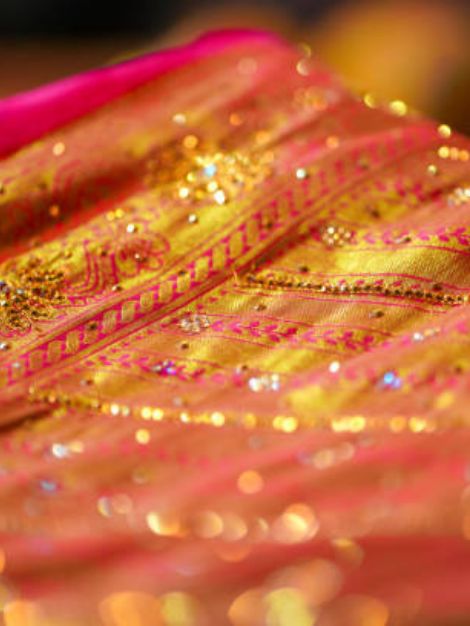
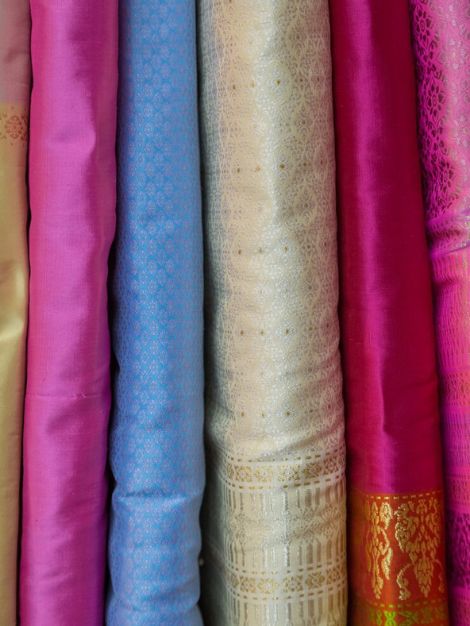
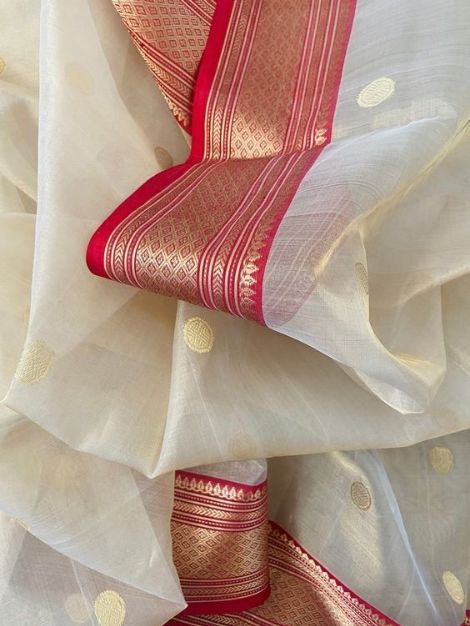
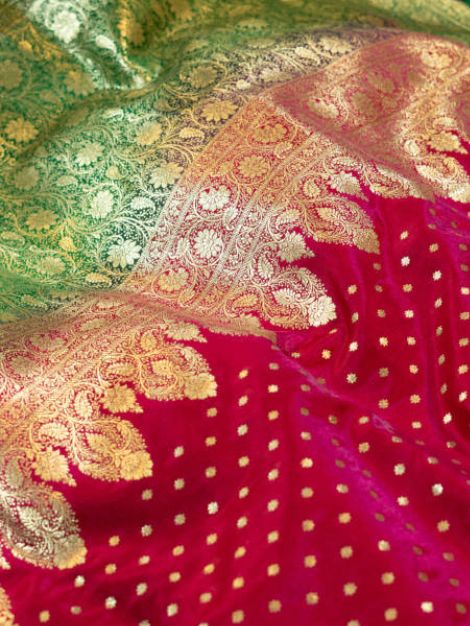
Kanchipuram Pattu

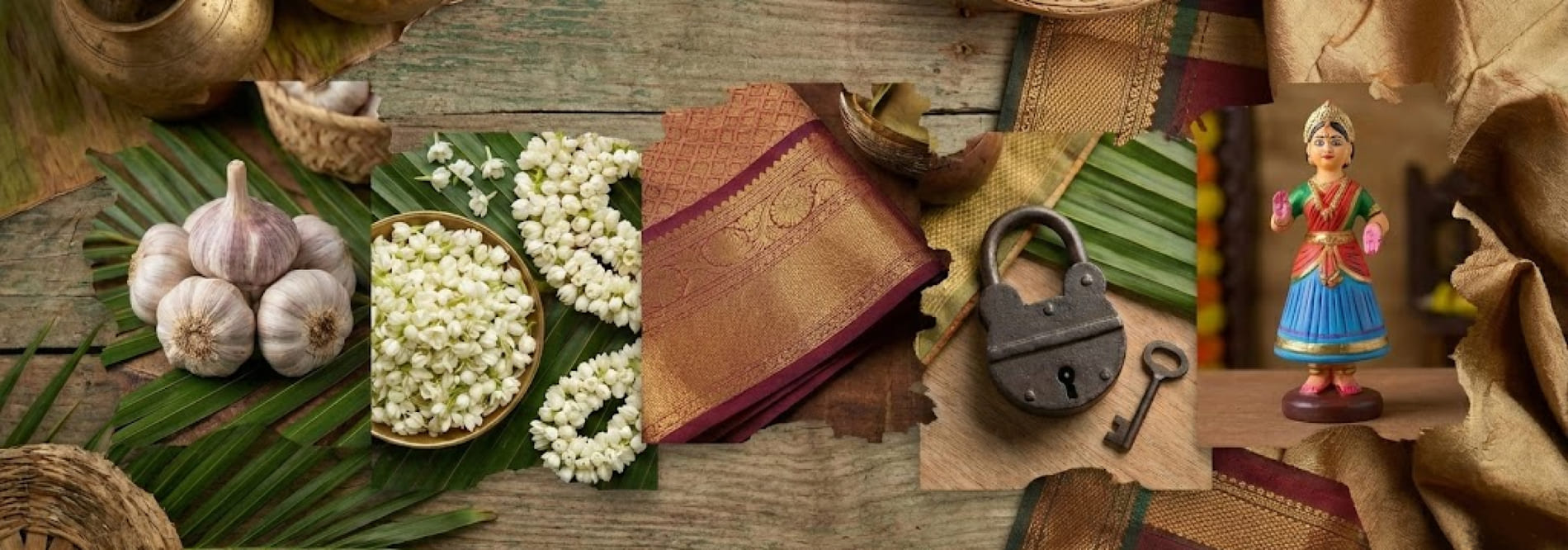
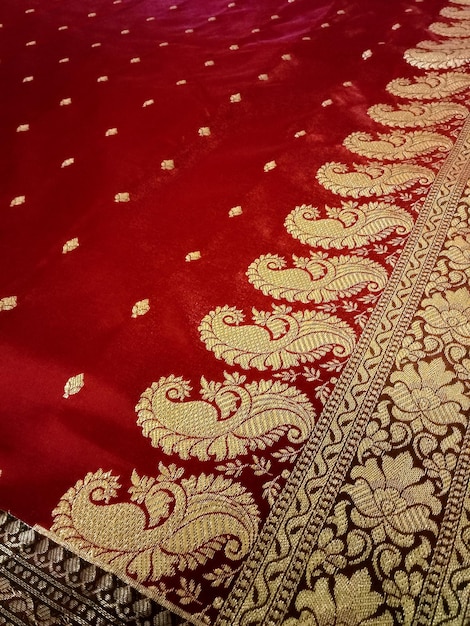
Born in the sacred looms of Kanchipuram, this isn't just silk—it's Tamil pride woven in gold threads. For over 400 years, our ancestors have crafted these masterpieces, where every motif tells stories of Chola grandeur and Pallava artistry. When a Tamil bride drapes Kanchi silk, she doesn't just wear fabric; she carries the dreams of countless weavers, the blessings of temple deities, and the glory of our civilization. The zari that gleams is our heritage shining through time. This is the silk that made emperors bow and the world recognize Tamil excellence. Owning Kanchipuram Pattu means preserving a legacy that belongs to every Tamil heart.

Bhavani Jamakkalam

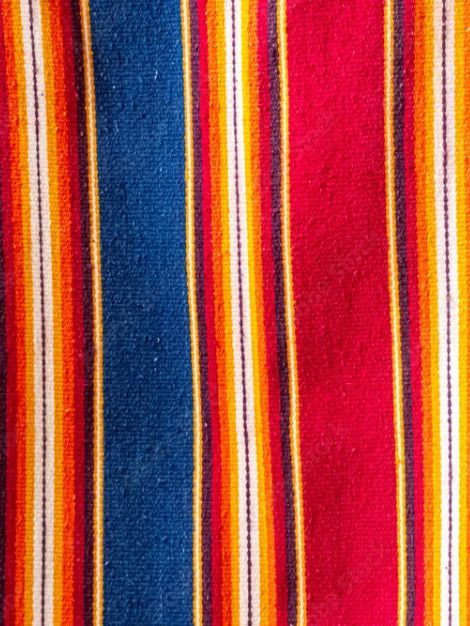
From the cotton fields of Bhavani comes a tradition as old as our villages—the Jamakkalam that welcomed guests, comforted babies, and witnessed prayers in every Tamil home. Our grandmothers knew its value; our mothers cherished its durability. These vibrant stripes aren't just colors—they're the warmth of Tamil hospitality woven into every thread. When you sit on a Bhavani Jamakkalam, you sit where generations of Tamils found comfort. This humble floor mat carries the soul of our rural wisdom and the strength of our working hands. It's not luxury—it's home. It's not fashion—it's family. This is Tamil life, woven and lived.

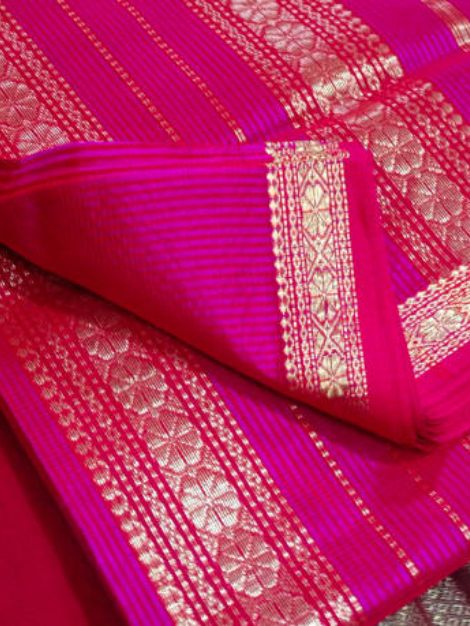
Arani Pattu

In the shadow of sacred Arunachala, Arani weavers create silk that whispers elegance without shouting wealth. This is the silk of Tamil grace—refined, humble, yet unforgettable. For centuries, Tamil women chose Arani for its gentle embrace and honest beauty. It doesn't compete with gold; it complements character. Every Arani saree is proof that Tamil craftsmanship needs no arrogance to shine. When foreign silks flood markets, Arani stands firm—rooted in our soil, faithful to our traditions. Wearing Arani Pattu is a statement: I choose my roots over trends, my heritage over hype. This is silk with a Tamil soul.

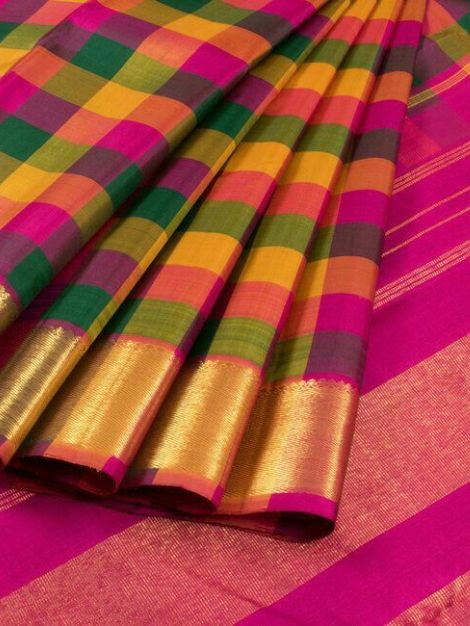
Kovai Kora Saree

From Coimbatore's proud looms comes cotton that breathes Tamil identity with every thread. Kora cotton isn't bleached, isn't pretentious—it's honest, like our people. This is the saree our freedom fighters wore, the fabric our grandmothers trusted, the cotton that survived because it served, not showed. In a world chasing synthetic shine, Kovai Kora stands pure and unapologetic. Its checks and borders are the geometry of Tamil precision; its comfort is our wisdom about living well. When you wear Kora cotton, you wear the dignity of Tamil labor and the truth of Tamil taste. This isn't just cotton—it's conscience

Salem Venpattu

While the world chases gold, Salem gave us silver silk—the moon to Kanchi's sun. This is Tamil innovation refusing to copy, choosing to create. Venpattu's silver zari isn't a compromise; it's a crown of its own. For generations, Salem weavers perfected this art when others said only gold matters. They proved Tamil creativity bows to no convention. This silk is for those who understand that true heritage needs no validation. Wearing Salem Venpattu means honoring those who dared to be different while staying deeply Tamil. It's the silk of quiet rebels and confident tradition-keepers. Silver like our rivers, precious like our language.

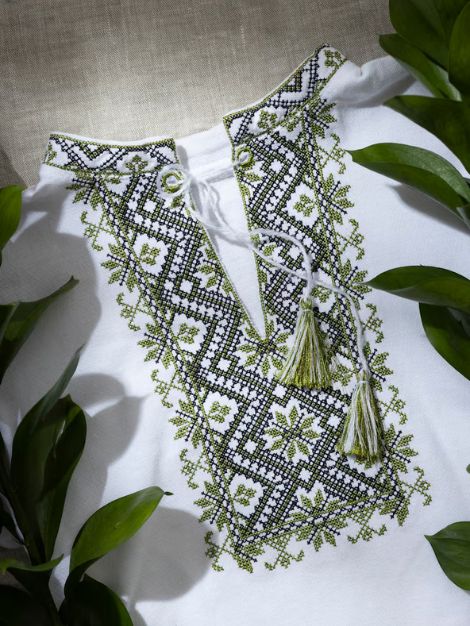
Toda Embroidery

High in the Nilgiris, where clouds kiss our Tamil land, Toda women create art that belongs to no other civilization but ours. These geometric patterns aren't learned from books—they flow from tribal memory older than history. Every stitch is a prayer, every design a connection to our original Tamil spirit. When conquerers came and went, Toda embroidery survived. When modernity threatened tradition, these tribal mothers held their needles tighter. This isn't decoration; it's declaration. Red and black on white—the colors of Tamil courage, resilience, and purity. Owning Toda embroidery means protecting voices that mainstream forgot but Tamil soil remembers.

Thirubuvanam Pattu

In Thanjavur, where Chola kings built temples that defy time, Thirubuvanam weavers build silk that defies forgetting. Every border is a gopuram, every pallu a chariot, every motif a prayer turned textile. This silk doesn't just adorn bodies—it carries the architectural genius of Tamil civilization on your shoulders. When you wear Thirubuvanam, you wear what once draped deity sculptures and royal courts. Foreign museums display our bronze; we can wear our silk legacy. This is temple art made wearable, Chola glory made personal. For Tamils who refuse to let their grandeur fade into museum glass.

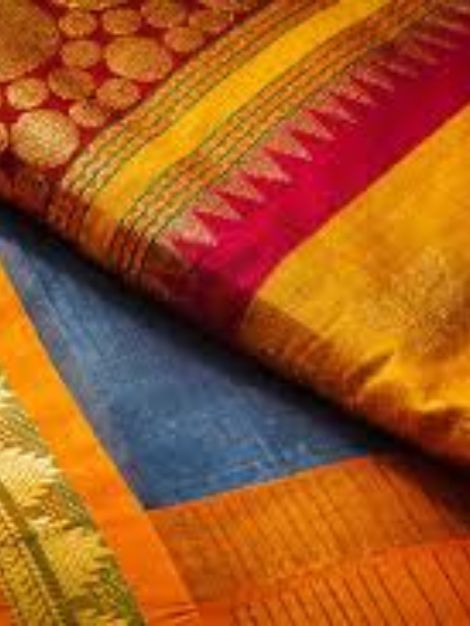
Kandangi Sarees

From Chettinad's merchant palaces comes cotton that built empires—Kandangi, strong as Tamil ambition, vibrant as Tamil spirit. This isn't delicate silk for display; this is warrior cotton for daily Tamil life. Our great-grandmothers ran households, raised nations, built businesses in Kandangi sarees that outlasted their struggles. Those rust and maroon borders? That's Tamil earth and Tamil blood crystallized into cloth. Kandangi doesn't promise to make you look rich—it makes you feel rooted. In diaspora or homeland, wearing Kandangi means remembering that Tamil strength never needed softness to survive.

Salem Sungadi

Salem's Sungadi silk flows like Cauvery—pure, essential, life-giving. This is silk without ego, luxury without arrogance, tradition without rigidity. For centuries, Tamil families chose Sungadi for moments that mattered: first days of school, temple visits, quiet celebrations. It's the silk grandmothers wrapped in muslin and kept for granddaughters unborn. Not because it was expensive, but because it was ours. Every yard of Sungadi carries Salem's pride—a city that chose silk mastery when others chose shortcuts. Wearing Sungadi means trusting Tamil quality over global brands, choosing legacy over labels.

Madurai Sungadi Saree

Where Meenakshi's temple rises, where Tamil literature was born, Madurai weavers create Sungadi that captures our city's eternal soul. This silk knows the scent of jasmine from Meenakshi's hair, has witnessed poetry competitions under Pandyan kings, has draped women who kept Tamil alive through invasions and ignorance. Madurai Sungadi isn't fashion—it's faith. It's the city's heartbeat translated to silk. When you wear it, you wear temple bells and epic verses, ancient wisdom and living tradition. For Tamils worldwide who hear "Madurai" and feel their soul stir—this silk is your homecoming.

Thalayatti Bommai

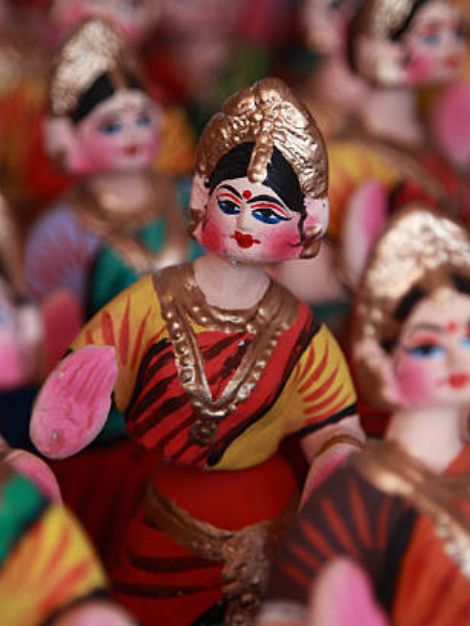
In every Tamil home's prayer corner, a Thalayatti Bommai nods—eternal, graceful, wise. Born in Thanjavur's artistic soul, these dancing dolls are physics transformed into poetry, balance turned into blessing. For 200 years, our craftsmen have given clay the power to dance forever. When a child watches this doll sway, they witness Tamil genius: the weighted base that never falls, the resilient neck that never breaks. This isn't a toy—it's a teacher of equilibrium, a reminder that Tamil culture stays balanced through every storm. Gift a Thalayatti Bommai, and you gift Tamil wisdom that nods "yes" to life's rhythm while staying grounded in heritage.

Tanjore Art

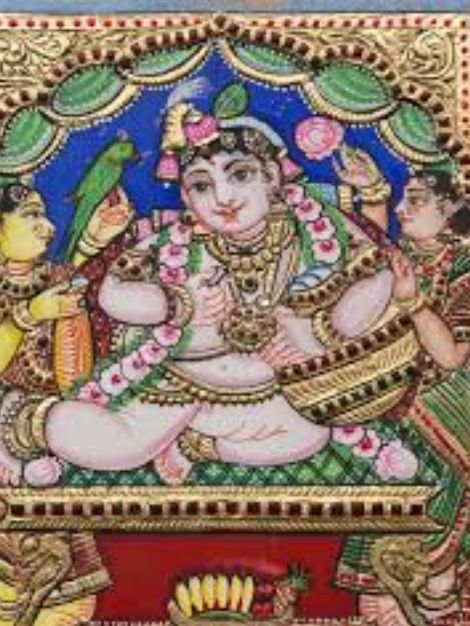
Gold doesn't just gleam in Thanjavur temples—it breathes on canvases that capture divinity itself. Tanjore painting isn't art; it's devotion crystallized. Each piece takes weeks: limestone paste rising like temple gopurams, gold leaf applied with prayers, gems embedded where deity's eyes should shine. Our ancestors created this art when Chola kings ruled—not for museums, but for home shrines where families worshipped. Every Tanjore painting carries temple sanctity into your walls. The gold that adorns it is the same radiance our poets sang about, the same brilliance that made the world recognize Tamil aesthetics. Owning Tanjore art means enshrining Tamil divinity and artistry together.

Swamimalai Statue

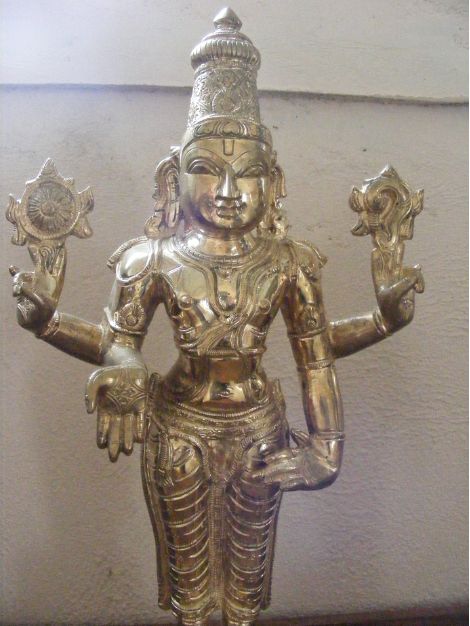
In Swamimalai, where Lord Muruga taught his own father, bronze becomes breath, metal becomes meditation. For over 1,000 years, using the lost-wax method perfected nowhere else, our sthapathis don't just cast bronze—they give gods form. Every Nataraja, every Meenakshi, every Murugan statue from Swamimalai carries Chola precision and Tamil spiritual understanding. When temples worldwide seek authentic divinity in bronze, they come here. This isn't sculpture—it's theology you can touch, philosophy you can worship. These bronzes survived invasions, colonization, and indifference because Tamil hands refused to forget what Tamil souls always knew: we don't just worship gods, we give them eternal form.

Nachiyarkoil Vilaku

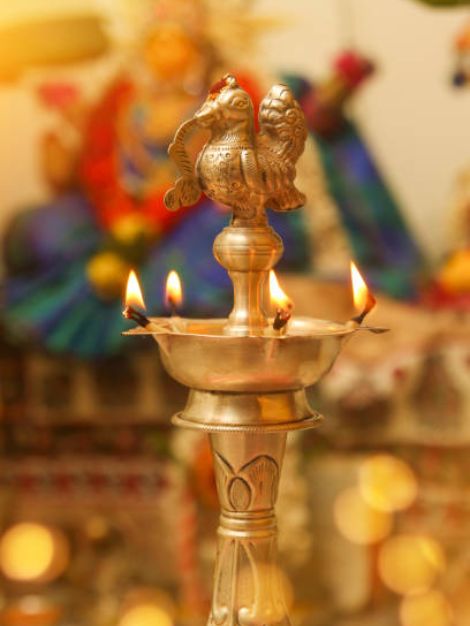
From Nachiyarkoil comes light that has illuminated Tamil devotion for centuries—the bronze lamp that turns fire into prayer. These aren't mere lamps; they're heirlooms that witnessed your great-grandmother's dawn prayers, your grandmother's wedding rituals, your mother's festival preparations. Each curve of the bronze, each face of the lamp holder, each delicate chain—crafted by hands that learned from generations. When you light a Nachiyarkoil vilaku, you light what your ancestors lit, continuing an unbroken flame of Tamil tradition. Foreign lamps may be cheaper, but they carry no memory, no blessing, no connection. This bronze lamp is family continuing through fire and faith.

Tanjore Veena

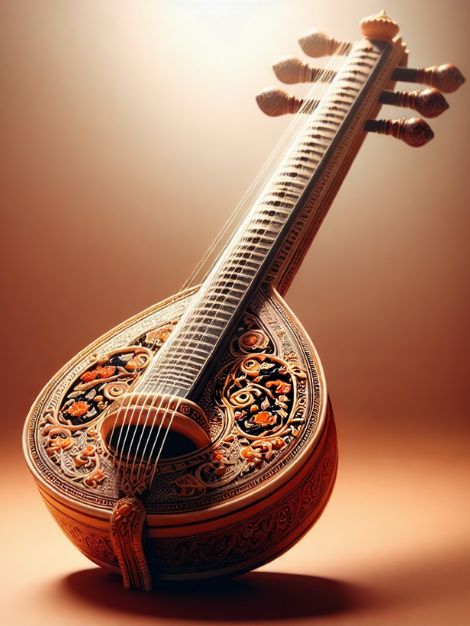
The Veena doesn't just produce sound—it produces Tamil civilization's very heartbeat. In Thanjavur, where Carnatic music found its highest expression, craftsmen spend months carving jackwood into instruments that Thyagaraja himself would recognize. This is the Veena that accompanied Muthuswami Dikshitar's compositions, the sound that filled Chola courts and Maratha palaces. Seven strings, twenty-four frets, one soul—entirely Tamil. When you hold a Tanjore Veena, you hold what Saraswati herself would choose. Every raag that flows from it carries 2,000 years of Tamil musical genius. In a world where keyboards replace tradition, the Veena stands defiant: our music doesn't need electricity; it needs devotion.

Mahabalipuram Stone

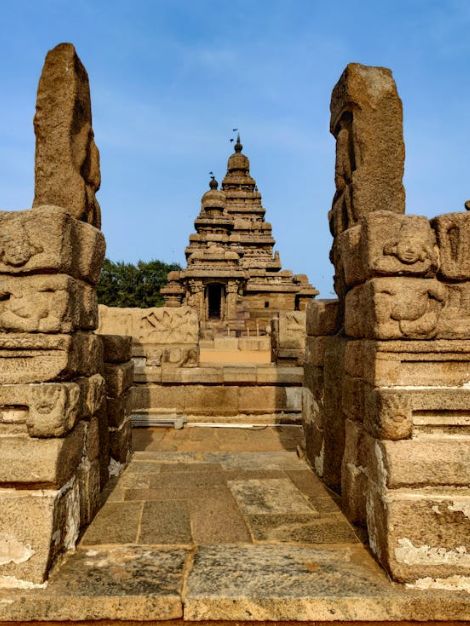
Gold doesn't just gleam in Thanjavur temples—it breathes on canvases that capture divinity itself. Tanjore painting isn't art; it's devotion crystallized. Each piece takes weeks: limestone paste rising like temple gopurams, gold leaf applied with prayers, gems embedded where deity's eyes should shine. Our ancestors created this art when Chola kings ruled—not for museums, but for home shrines where families worshipped. Every Tanjore painting carries temple sanctity into your walls. The gold that adorns it is the same radiance our poets sang about, the same brilliance that made the world recognize Tamil aesthetics. Owning Tanjore art means enshrining Tamil divinity and artistry together.

Nagercoil Kovil Nagaai

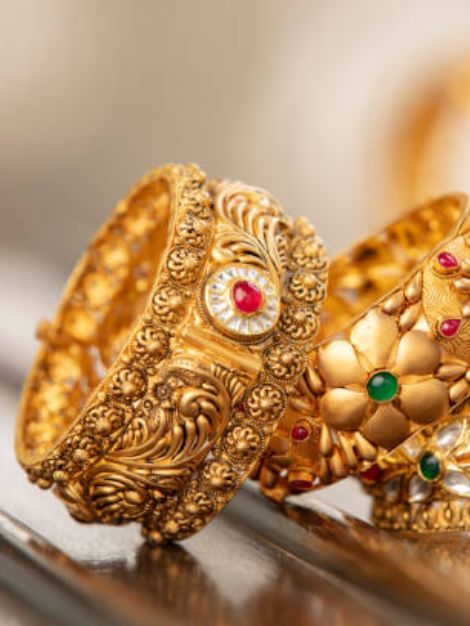
In Nagercoil, where Tamil land meets the sea, goldsmiths create jewelry not for fashion, but for gods. Kovil Nagaai isn't ornament—it's offering, prayer transformed into gold. These intricate pieces adorned deities in Pandyan temples, graced royal processions, and blessed brides who understood that jewelry should carry sanctity. Every link, every pendant, every traditional design follows temple specifications passed down through sthapathi families. This is jewelry with soul, gold with grammar, ornament with orthodoxy. While modern jewelry chases trends, Kovil Nagaai preserves what our ancestors knew: beauty should serve the divine before serving vanity. Wear it, and wear Tamil devotion's golden language.

Narasingampettai Nadaswaram

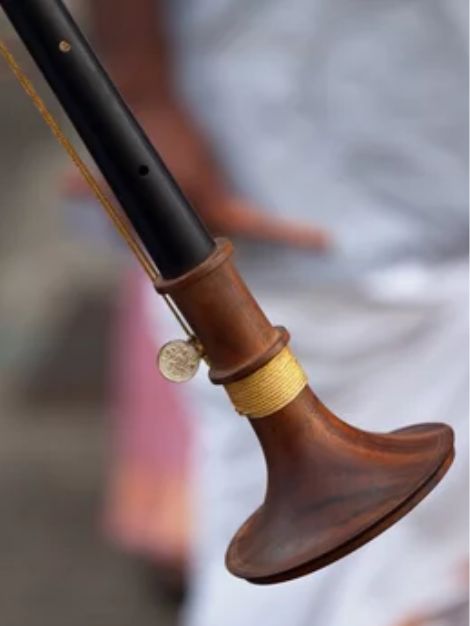
From Narasingampettai comes the sound that announces Tamil joy—the Nadaswaram that no wedding, no festival, no temple consecration can begin without. This isn't an instrument; it's Tamil celebration's very voice. For centuries, craftsmen here have carved these majestic wind instruments from wood seasoned with time and tuned with tradition. When a Nadaswaram plays, kings rise, gods listen, and every Tamil heart recognizes home. The sound that welcomed victorious Chola kings still welcomes Tamil brides today. Foreign instruments may be easier, but they'll never carry what this carries: the sound of every Tamil joy our ancestors celebrated, preserved in wood and breath.

Dindigul Pootu

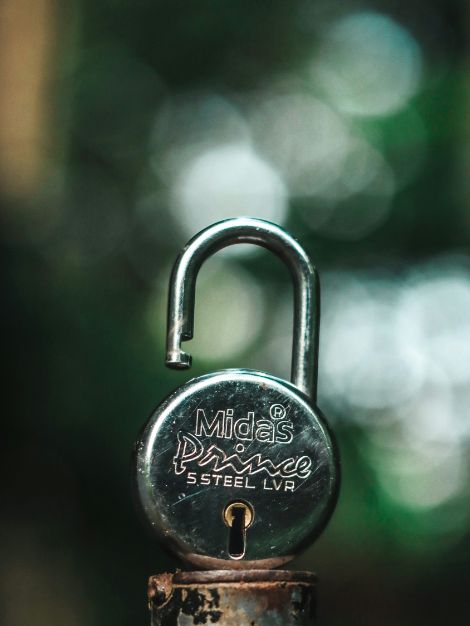
In Dindigul, locksmiths don't just forge locks—they forge Tamil trust itself. For 500 years, Dindigul locks have guarded temples, treasuries, and family secrets with mechanisms so ingenious they baffle modern engineers. No electricity, no digital codes—just pure Tamil mechanical genius in brass and iron. These locks protected kingdoms when invaders came; they still protect what matters when technology fails. Each Dindigul lock is a puzzle only its key can solve, a security system designed by minds that understood protection is art. Owning one means trusting Tamil craftsmanship over Chinese electronics, choosing legacy over convenience. What guarded Polygar palaces can guard your legacy too.

Pathamadai Pai

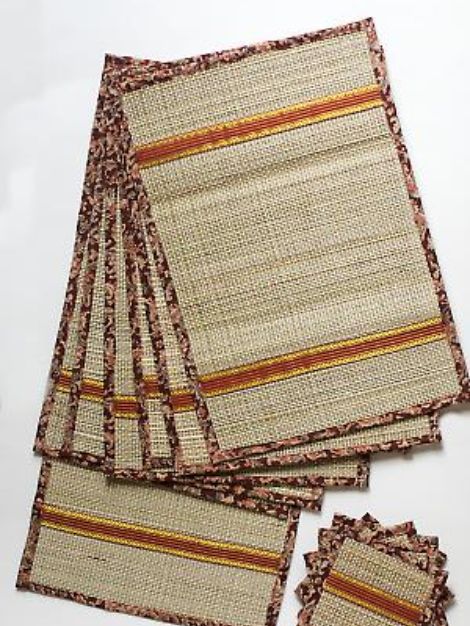
From Pathamadai village comes the mat that cooled royal sleep and humble prayer alike—woven from korai grass that grows in our Tamil waters. For 300 years, these fine mats have been Tamil summer's blessing: naturally cooling, infinitely durable, absolutely ours. Our grandmothers knew its value—one Pathamadai mat outlasts generations. The weaving is so fine, so precise, it takes days to complete a single mat. This is technology needing no power, comfort needing no air-conditioning, luxury needing no brand name. When you sit on Pathamadai Pai, you sit where Tamil wisdom meets Tamil earth. In a world of synthetic everything, this grass mat is defiance, dignity, and home.

Chettinad Kottan

In Chettinad's grand mansions and ancient temples, Kottan lamps hang like captured stars—brass crafted into divine geometry. These aren't lighting fixtures; they're ancestral blessings suspended in metal. For centuries, Chettiar craftsmen have created these intricate hanging lamps where every hole, every curve, every chain link follows temple architecture's sacred mathematics. When oil flames flicker through Kottan's perforations, shadows dance like prayers on temple walls. This is the lamp that lit merchant princes' homes and village deity shrines equally. Modern lights may be brighter, but Kottan carries what electricity never can: the warm glow of Tamil devotion, the golden radiance of heritage that refuses to dim.

Thanjavur Art Plate

Thanjavur's genius doesn't stop at paintings—it transforms serving plates into royal heirlooms. These aren't utensils; they're honor itself, shaped in brass and silver. For generations, Thanjavur artisans have created plates where food becomes offering, where serving becomes ceremony. The intricate engravings, the perfect balance, the mirror-like polish—this is how Tamil culture elevated even daily eating into art. When guests eat from Thanjavur plates, they taste not just food but respect, hospitality, and civilizational grace. These plates served Maratha kings and common weddings alike because Tamil culture knows: how you serve matters as much as what you serve. Own these plates, serve with pride.

Tirunelveli Halwa

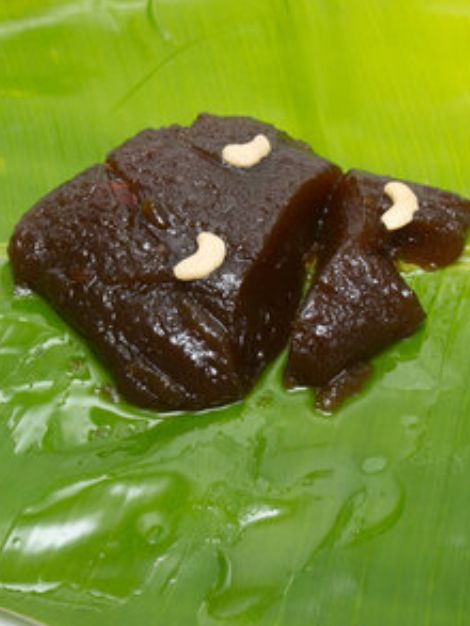
In Tirunelveli's Iruttu Kadai, where darkness preserves tradition and sweetness transcends time, halwa isn't dessert—it's pilgrimage. For over 100 years, this ghee-glistening, wheat-based marvel has defined what Tamil sweetness means. Every bite carries Thamirabharani's pure water, every piece holds generations of halwa-makers' pride. This halwa witnessed independence struggles and still tastes the same; it fed freedom fighters and still feeds festival joy. Tirunelveli Halwa doesn't compromise with shortcuts or substitutes—pure ghee, patient stirring, honest craft. When you gift this halwa, you gift what every Tamil abroad craves: home, captured in translucent sweetness. One taste, and you're back in Tamil Nadu's heart.

Kovilpatti Kadalai Mittai

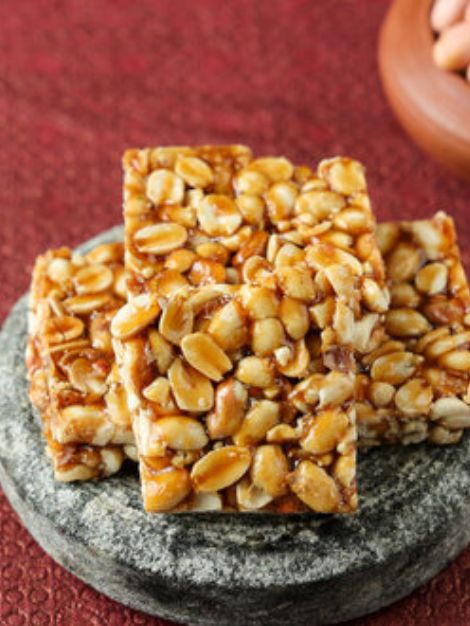
From Kovilpatti comes crunch that echoes Tamil childhood—Kadalai Mittai, where peanuts meet jaggery and become nostalgia you can taste. This isn't candy; it's every Tamil fair, every temple festival, every grandmother's love wrapped in golden-brown bliss. For decades, Kovilpatti's sweet-makers have perfected the ratio: enough jaggery to bind, enough peanut to satisfy, enough tradition to sustain. No chemicals, no compromise—just peanuts, jaggery, and Tamil integrity. While multinational brands flood shelves, Kadalai Mittai stands unchanged, unbranded, unbeatable. Every bite reminds us: our sweets don't need fancy packaging; they need authentic taste. This is Tamil snacking, honest and unforgettable.

Palani Panchamirtham

At Palani's hilltop where Murugan resides, Panchamirtham isn't prasadam—it's divine nectar guarded by tradition and blessed by faith. Five ingredients—banana, jaggery, ghee, honey, cardamom—mixed in proportions known only to hereditary custodians, creating what devotees have traveled centuries to receive. This isn't food; it's faith you can taste, blessing you can carry home. Every container of Palani Panchamirtham holds Murugan's grace and Tamil devotion's essence. Scientists study its preservation; devotees simply trust. From kings to common pilgrims, everyone receives the same blessed sweetness. When you taste it, you taste what millions of Tamil prayers have sanctified. Geography-tagged, but heaven-blessed.
Virudhunagar Ellu Urundai

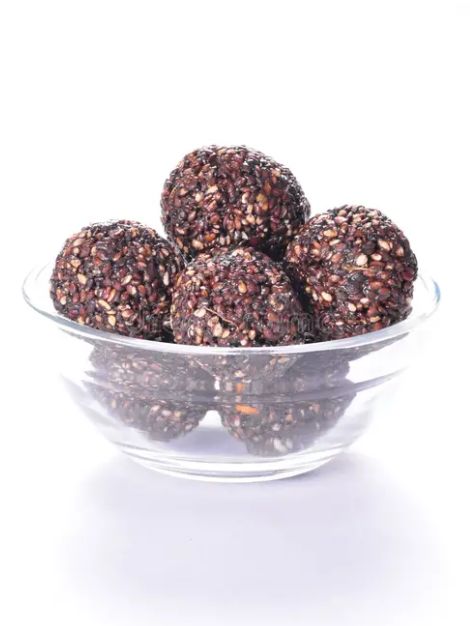
In Virudhunagar, where every January brings Pongal and tradition, sesame balls aren't sweets—they're winter's wisdom rolled into bite-sized strength. For generations, Tamil mothers have made Ellu Urundai during the harvest festival, but Virudhunagar perfected it into art. Black sesame, jaggery, ghee—ingredients that warm bones and honor tradition. These balls carry more than nutrition; they carry our ancestors' understanding that food should heal, celebrate, and connect. Every Ellu Urundai is a reminder: Tamil culture survived because it was practical, nourishing, and delicious. While protein bars promise health, our sesame balls have delivered it for centuries. This is wellness, the Tamil way.

Sirumalai Hill Banana

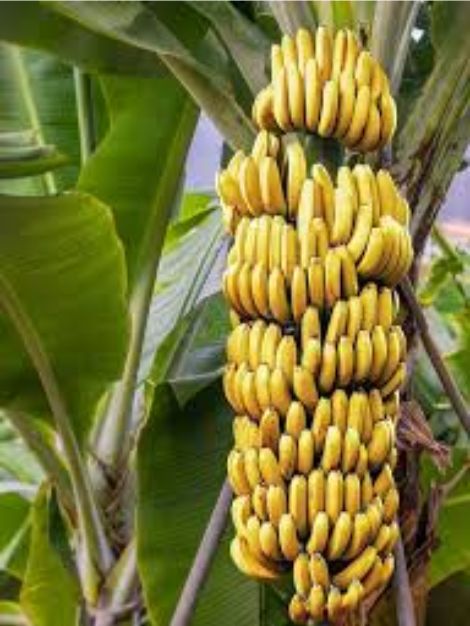
High in Sirumalai hills where mist meets Tamil soil, bananas grow that taste like no other—dense, sweet, sun-blessed perfection. This isn't fruit; it's what bananas should be before commercial farming forgot flavor for size. For centuries, Sirumalai's unique microclimate has produced bananas that locals knew were special. Small in size, giant in taste, these bananas carry mountain purity and traditional cultivation. No chemical push for size, no genetic modification—just patient farming on hill slopes where our ancestors understood: best things come from respecting land, not rushing it. Every Sirumalai banana is proof that Tamil agriculture chose quality when the world chose quantity. Taste it, understand why GI protection matters.

Thoothukudi Dry Fish

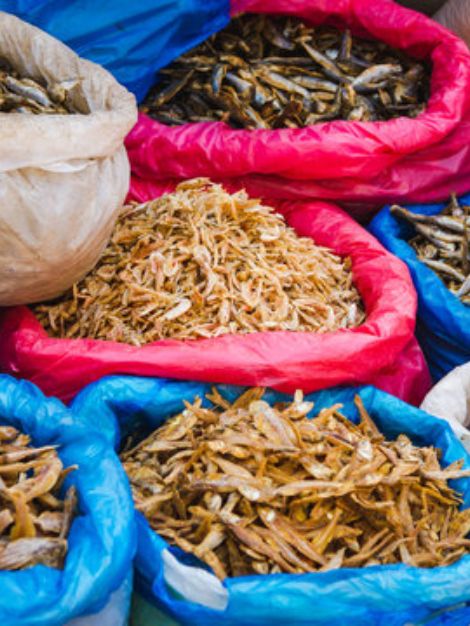
From Thoothukudi's fishing villages where sunrise means survival and sea means everything, dry fish isn't seafood—it's coastal Tamil life preserved. For generations, fishing communities have dried catch under the same sun that their ancestors trusted, using techniques that preserve flavor and protein without refrigeration. This is wisdom of people who understood food security before it became policy. Nethili, Koduva, Keluthi—varieties that fed Tamil coastal homes for centuries, that gave strength to laborers, that became gravies no meat can match. While fresh fish perishes, Thoothukudi's dried fish endures—like the fishing communities themselves. Every piece carries salt air, hard work, and unbreakable Tamil coastal spirit.

Madurai Malli

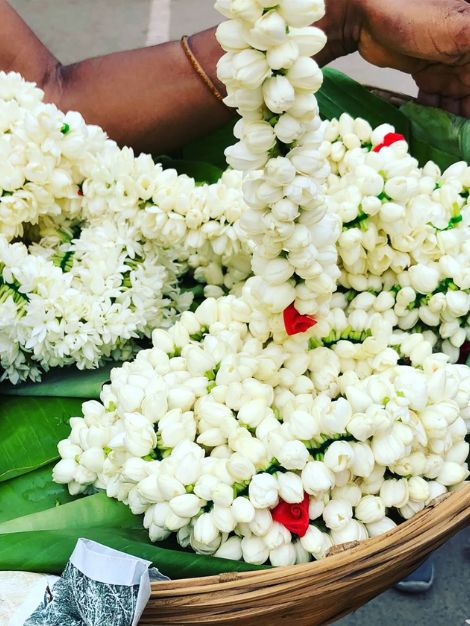
Before dawn breaks in Madurai, jasmine pickers harvest what poets have praised for millennia—Malli flowers so fragrant they define Tamil beauty itself. This isn't decoration; it's what Tamil women have worn in their hair since Sangam poetry first described it. Madurai's soil, climate, and ancient cultivation wisdom produce jasmine whose fragrance is identity. Every string of Malli carries temple prayers, wedding blessings, and morning hope. While synthetic perfumes flood markets, Tamil women still seek Madurai Malli because some things can't be faked—not fragrance, not tradition, not the scent that their grandmothers wore. When you smell Madurai jasmine, you smell Tamil womanhood's timeless elegance, natural and unforgettable.

Nilgiris Orthodox Tea

In the Blue Mountains where clouds embrace Tamil Nadu, tea grows that the British coveted but Tamil land perfected. Nilgiris Orthodox Tea isn't a beverage—it's misty mornings, colonial history rewritten by local triumph, and flavor that needs no milk to prove itself. Hand-plucked, traditionally processed, naturally grown at elevations where quality becomes inevitable. While CTC tea dominates for speed, Orthodox tea survives because true taste can't be rushed. This is tea that takes time, respects process, and rewards patience—everything Tamil culture values. Every sip carries mountain essence and plantation workers' skilled hands. When the world drinks tea, remember: these hills taught it how. This is tea with Tamil soul, grown where heaven touches earth.

Erode Turmeric

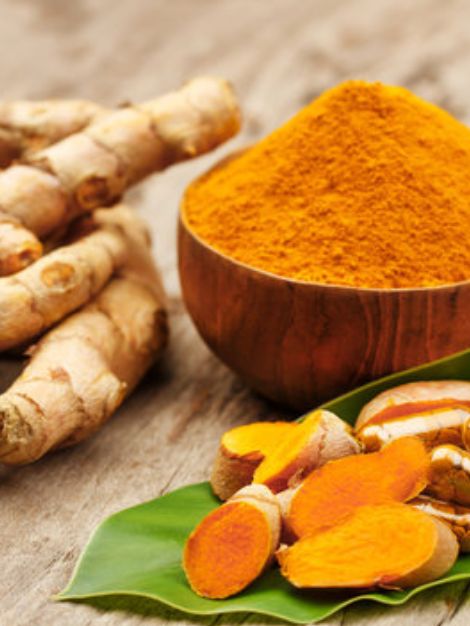
From Erode's fertile soil rises gold that heals, colors, and sanctifies—turmeric so potent the world recognizes it by our city's name. This isn't spice; it's Tamil medicine, Tamil ritual, Tamil identity ground into yellow brilliance. For centuries, Erode's unique climate and soil have produced turmeric with curcumin levels that scientists study and grandmothers always trusted. This is the turmeric that marked foreheads in every Tamil home, that healed wounds before antibiotics existed, that colored rice for every auspicious moment. While chemical alternatives promise convenience, Erode turmeric promises what our ancestors knew: purity that heals body and honors tradition. Every pinch carries sun-baked fields and farmers' wisdom. This is wellness, worship, and Tamil pride—all in golden powder.

Coimbatore Wet Grinder

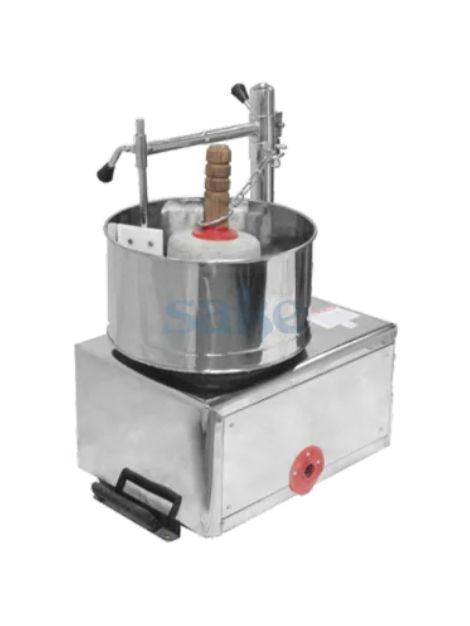
In Coimbatore's industrial heart, engineering meets breakfast—the wet grinder that revolutionized every Tamil kitchen. This isn't appliance; it's the machine that preserved idli-dosa culture when modern life threatened tradition. For decades, Coimbatore's craftsmen perfected granite stones rotating at precise speeds, motors that run for hours, drums that last generations. Our grandmothers ground batter on stone slabs; our mothers received liberation through this grinder. It doesn't just grind—it maintains texture, temperature, and taste that blenders can never match. Every South Indian home worldwide trusts Coimbatore grinders because they understand: authentic taste needs authentic tools. This is Tamil engineering serving Tamil cuisine, ensuring our breakfast traditions survive every generation.
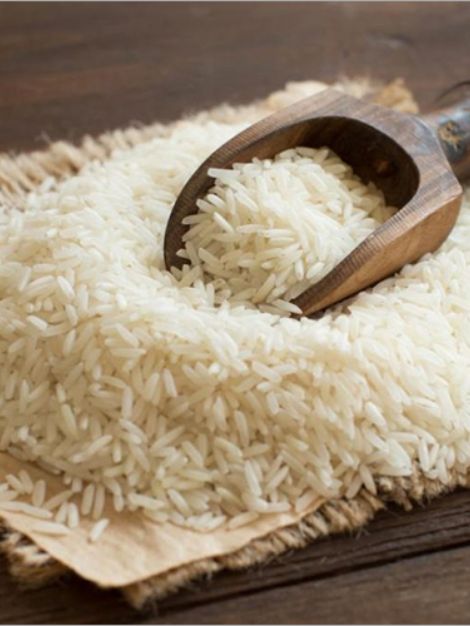
Thanjavur Ponni Rice

From Cauvery's blessed delta where Tamil civilization itself was nurtured, Ponni rice isn't grain—it's heritage harvested. For millennia, Thanjavur's fields have produced rice so perfect it fed Chola empires and still feeds Tamil souls. Short grain, aromatic, perfectly balanced—this is the rice our ancestors developed when they understood agriculture was science and art together. Every Tamil knows: sambar tastes right only with Ponni, curd rice becomes complete only with Ponni. While hybrid varieties promise yield, Ponni promises identity. When you cook Ponni rice, you cook what fed temple builders, poets, and freedom fighters. This is rice that carries Cauvery's blessing and cultivators' devotion. Taste it, taste home.

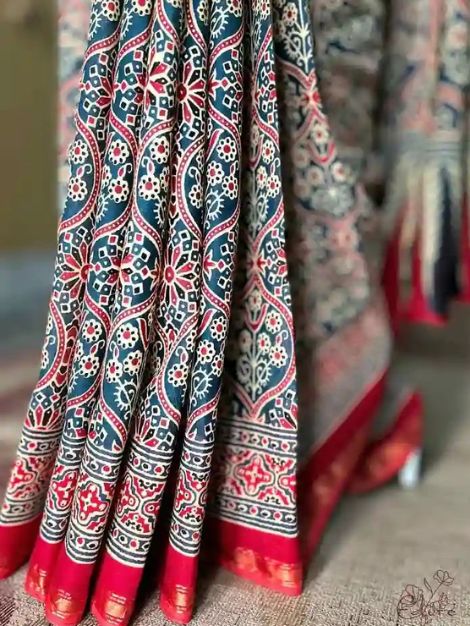
Perambalur Hand Block

In Perambalur, wooden blocks kiss fabric and create art that machines can never match—hand block printing where every motif carries human touch and Tamil patience. This isn't textile printing; it's meditation turned design, tradition stamped into cotton. For generations, artisan families have carved blocks, mixed natural dyes, and printed fabric piece by piece with precision that takes years to master. Every print tells time—time to carve blocks, time to align perfectly, time to dry naturally. While digital prints flood markets instantly, Perambalur's hand-blocked fabrics take days and cost pride. Each piece is slightly imperfect, completely unique, absolutely authentic. This is fabric with fingerprints, textiles with soul, tradition that refuses to be mass-produced.
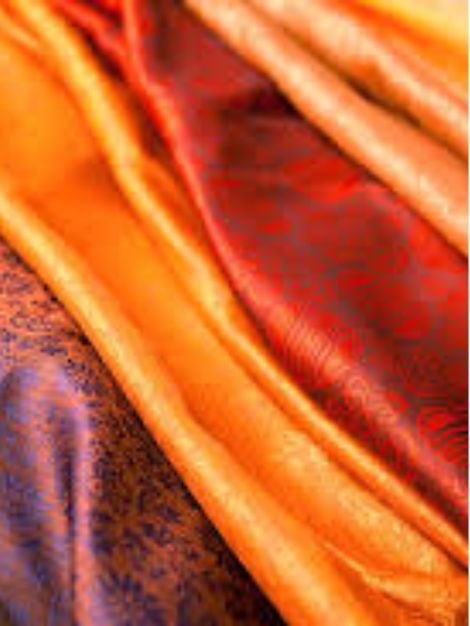
Thirubuvanam Silk Saree

From Thirubuvanam where looms echo with Chola-era artistry, silk sarees emerge that aren't worn—they're worshipped. Temple borders so intricate they seem carved not woven, pallus so detailed they narrate mythology, colors so vibrant they capture festival joy—this is silk that carries 400 years of unbroken tradition. While Kanchipuram gets fame, Thirubuvanam keeps craft—weavers who still use korvai technique, who still mix real zari, who still measure success not in speed but in perfection. Every Thirubuvanam saree takes weeks because excellence can't be rushed. When you drape it, you drape what apsaras would choose, what connoisseurs recognize, what collectors treasure. This is silk for those who understand: true luxury whispers, never shouts.

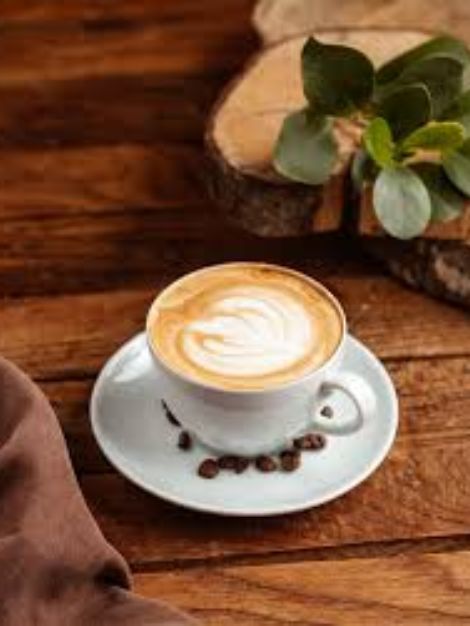
Kumbakonam Degree Coffee

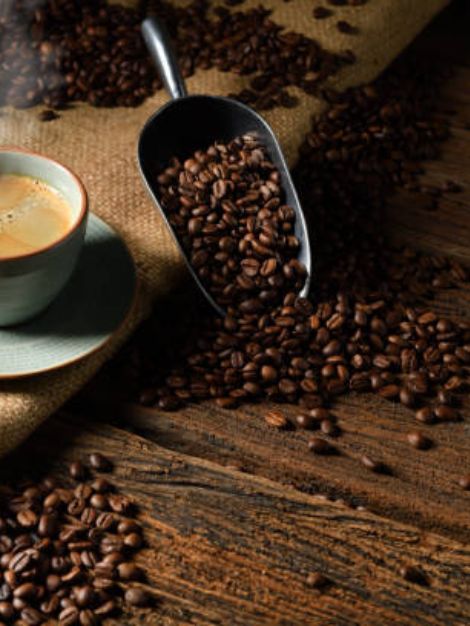
In Kumbakonam where temple tanks reflect devotion and coffee reflects perfection, Degree Coffee isn't beverage—it's ritual. The name itself tells the story: coffee filtered to such precision, served at such temperature, balanced to such perfection it earned an academic title. For over a century, Kumbakonam's unique water, traditional roasting, and filtering expertise have created coffee that devotees recognize by aroma alone. This is coffee our grandparents queued for in Brahmin hotels, coffee that converts tea drinkers, coffee that tastes like morning should taste. No machines, no capsules—just decoction, milk, and Tamil precision. Every sip carries temple town tranquility and filter coffee philosophy: good things take time, great things take tradition.

Karaikudi Kandangi

From Chettinad's merchant mansions where wealth met wisdom, Kandangi isn't just saree—it's strength woven for Tamil women who built empires from kitchens. Thick cotton that lasts lifetimes, borders bold as the women who wore them, colors that don't fade because Chettiar women don't fade. For generations, Karaikudi's looms have created sarees that prioritize durability over delicacy, utility over ornament. This is the saree that survived sea voyages to Burma, that witnessed business deals, that raised children and ran businesses simultaneously. While silk gets occasions, Kandangi gets life. Every yard proves: Tamil women's strength needed Tamil cotton's strength. Wear Kandangi, wear the legacy of women who never needed softness to be powerful.

Attur Panangkarkandu

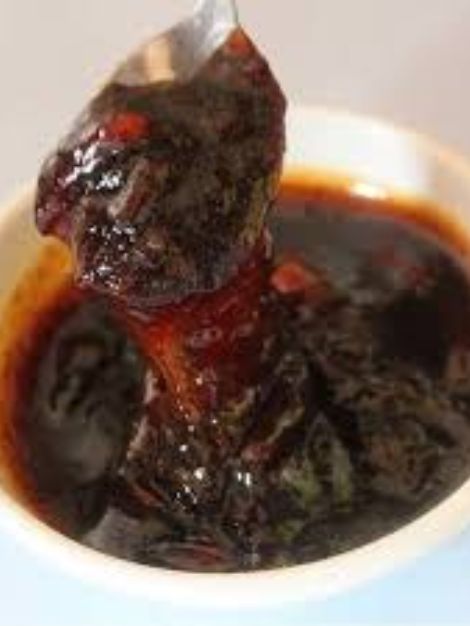
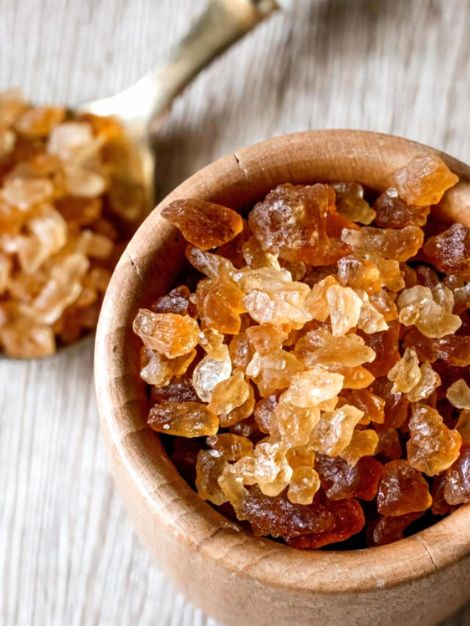
From Attur's palm groves where toddy tappers climb before dawn, palm jaggery isn't sweetener—it's liquid sunshine solidified through Tamil tradition. For centuries, skilled climbers have extracted neera from palmyra trees, and patient makers have transformed it into golden blocks of pure sweetness. No refineries, no chemicals—just sap, fire, and timing that's been perfected across generations. This jaggery carries minerals that white sugar strips away, flavor that artificial sweeteners can't replicate, tradition that supermarkets can't stock. Our ancestors knew: best sweetness comes from trees our land grew, processed by methods our people perfected. Every piece of Attur Panangkarkandu is proof that Tamil food wisdom was always ahead—naturally sweet, genuinely healthy.

Kodaikanal Malai Poondu

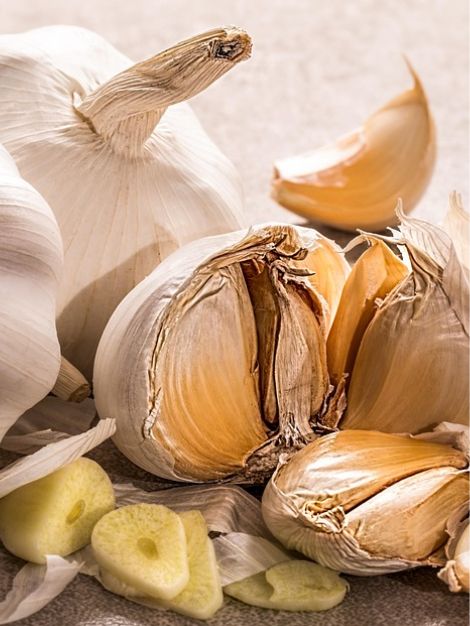
High in Kodaikanal's misty mountains where cold strengthens what it doesn't kill, garlic grows that isn't seasoning—it's medicine our hills perfected. Small cloves packed with flavor so intense, aroma so powerful, health benefits so concentrated that one Malai Poondu equals ten ordinary garlics. For generations, hill farmers have cultivated this garlic in rocky soil and cool climate that creates what plains never can. This is garlic that our grandmothers insisted on for immunity, that Tamil Siddha medicine prescribed for strength, that connoisseurs hoard annually. While Chinese garlic floods cheap, Kodaikanal's mountain garlic stands premium and proud. Every clove carries altitude's blessing and traditional farming's integrity. This isn't imported, isn't inferior—this is garlic that knows it grew in heaven's backyard.