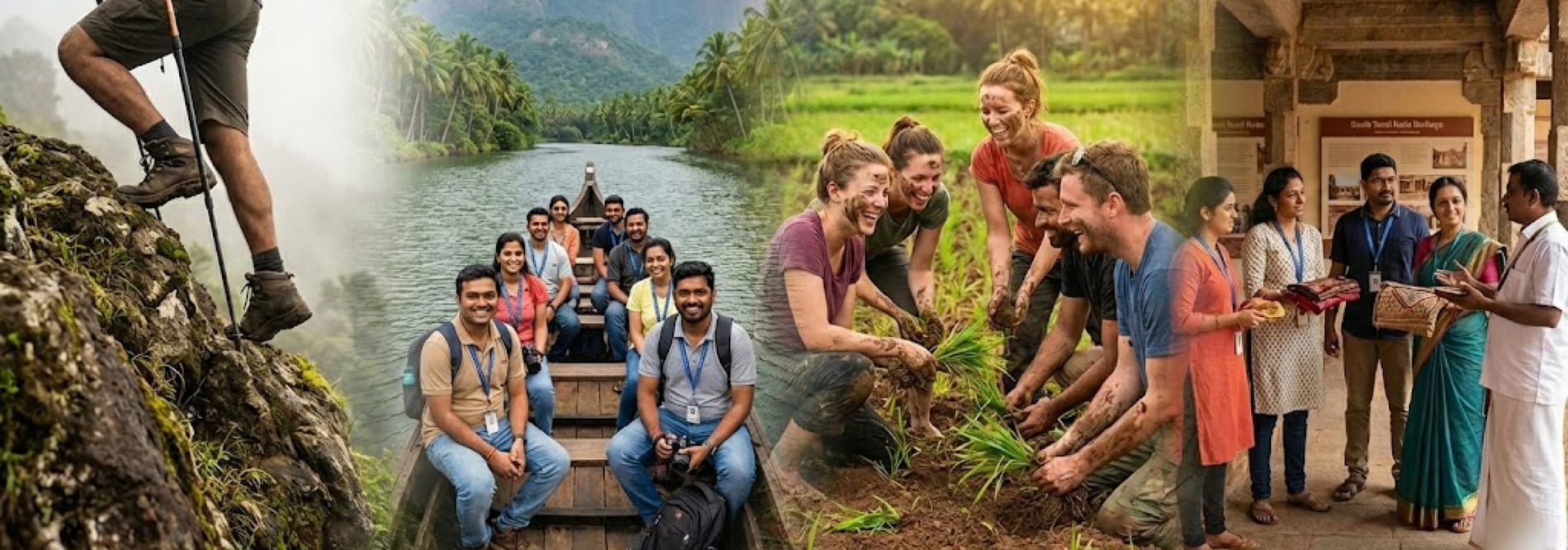

AINTHINAIGO, under the visionary platform of the POTAN – PRODUCTS OF TAMIL NADU positions natural and agro tourism not merely as travel experiences, but as a value-chain extension of Tamil Nadu’s land, people, and products. It connects landscapes to livelihoods, farmers to global markets, and heritage to sustainable commerce

Agro Tourism as a Living Supply Chain

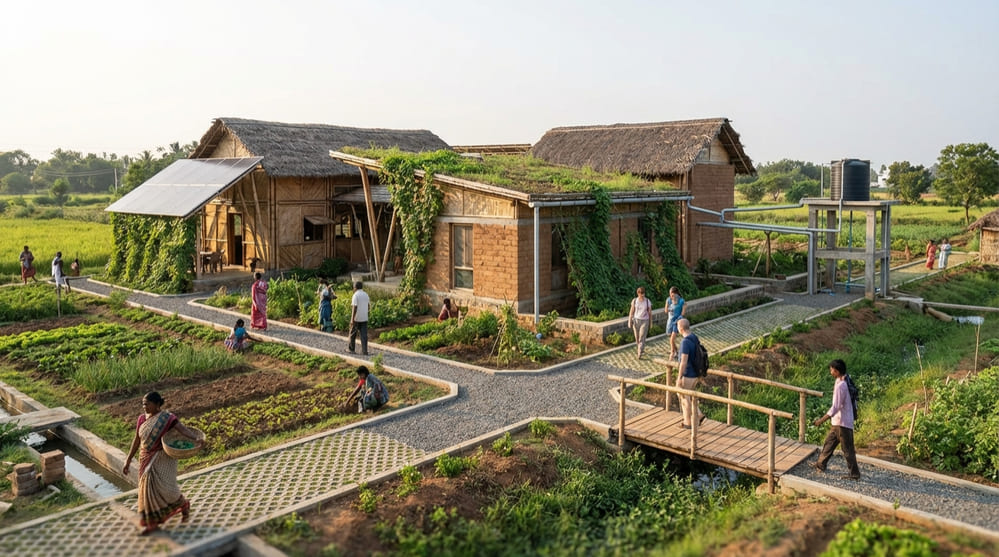
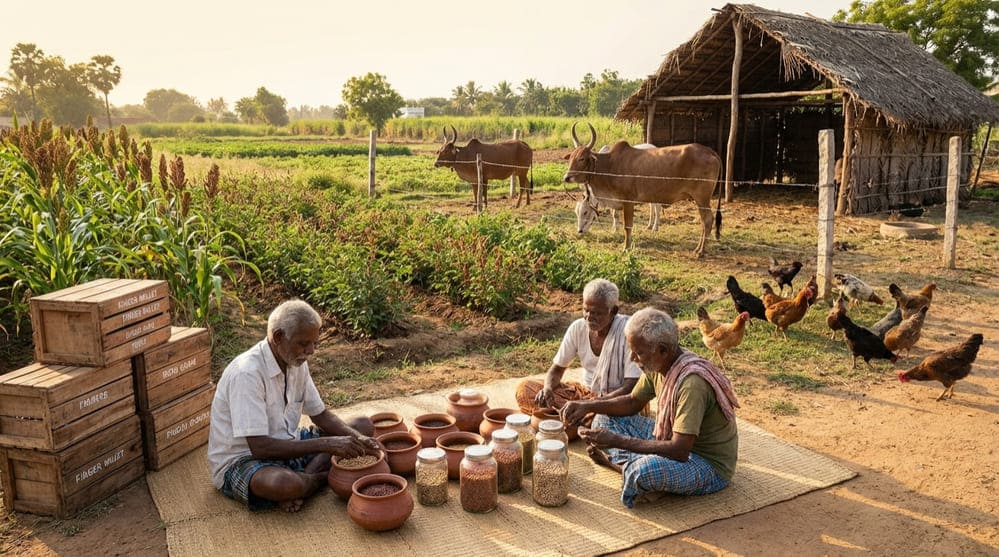
AINTHINAIGO promotes Agro Tourism Hubs where visitors experience the journey behind POTAN products:

Farm stays in paddy, coconut, tea, and spice-growing regions

Hands-on exposure to organic cultivation, harvesting, and processing
Demonstration of traditional tools, seed banks, cattle breeds, and irrigation systems

Local cuisine experiences using POTAN-tagged ingredients
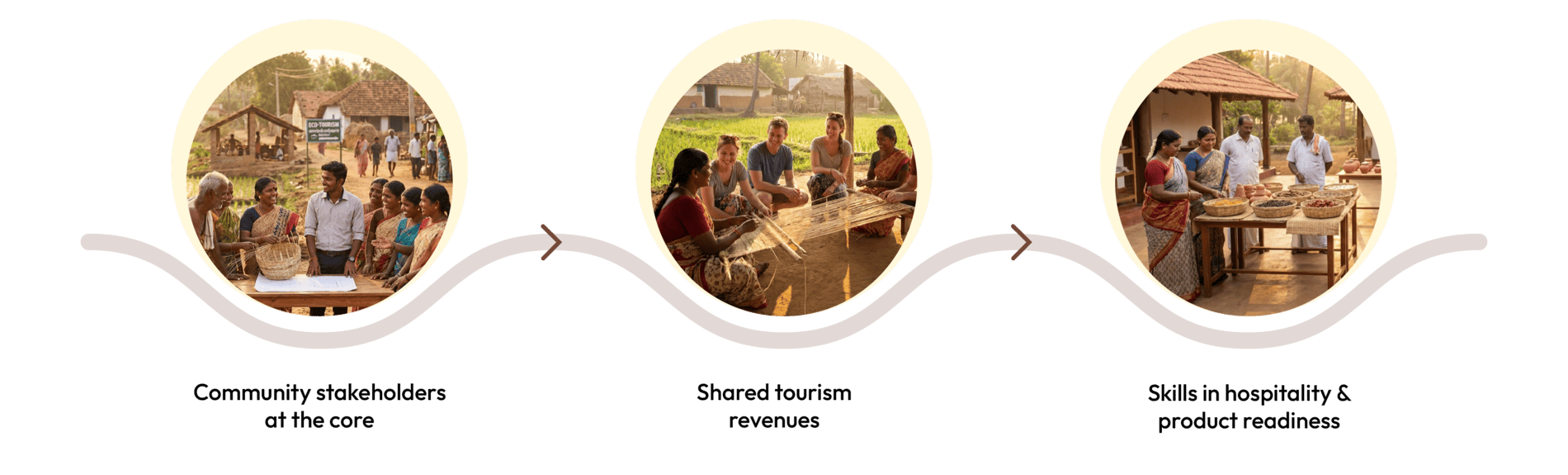
Agro tourism becomes a storytelling platform—where consumers meet producers and understand value beyond price

Community-Led, Market-Linked Tourism

Community-Led, Market-Linked Tourism is aligned with inclusive growth:

AINTHINAIGO Vision

" Natural and Agro Tourism under AINTHINAIGO is not about showcasing Tamil Nadu — it is about positioning Tamil Nadu in the global value chain "

By integrating nature, agriculture, culture, and commerce, AINTHINAIGO creates a powerful narrative: “From Tamil Soil to Global Shelf.”

Vision Statement

To transform Tamil Nadu’s natural and agricultural heritage into globally valued experiences and products, ensuring dignity for producers, sustainability for ecosystems, and trust for markets.

Policy Objectives

AINTHINAIGO Experience Zones (AEZ)

Tourism, production, processing, and retail coexist

Tourism experience wellness activity

Visitors experience farm-to-product journeys

Each PEZ will function as a living showroom of Tamil Nadu

Community-Centric Development

No project shall displace traditional livelihoods

Sustainability & Ecological Safeguards

All POTAN-GTTC-aligned tourism must comply with:

Integrated soil, water & biodiversity safeguards

Native crops, breeds & seed preservation

Low-impact sustainable infrastructure norms

Sustainability is defined as cultural, ecological, and economic continuity.

Why Tamil Nadu ?

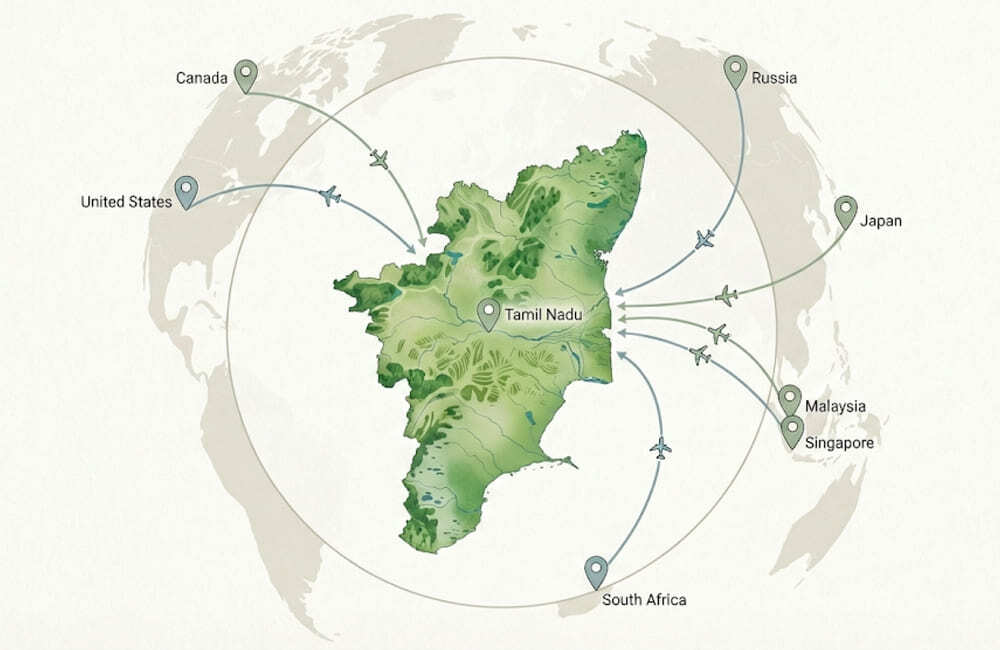
Tamil Nadu stands out as one of India’s most ecologically diverse and culturally layered landscapes, where mountains, dry plains, fertile river valleys, wetlands, and the sea coexist within a remarkably compact geography. This rare natural convergence has shaped distinctive land-use systems, resilient native biodiversity, and deeply rooted traditional livelihoods over centuries.

The region begins with the ancient Agasthyamalai ranges of the Western Ghats—among the oldest mountain systems on Earth—renowned for their extraordinary endemism, sacred groves, and dense tropical forests. Descending from these hills are the dry and semi-arid plains, ecosystems defined by hardy flora, adaptive farming practices, rain-fed tanks, and climate-resilient communities that have learned to thrive with scarcity.

Flowing through this landscape is the lifeline of the region, the Thamirabarani River, one of the few perennial rivers originating entirely within Tamil Nadu. Its river-fed agro landscapes are a wonder of traditional water management, sustaining paddy fields, palms, banana groves, and vibrant agrarian cultures. Further east, the land meets the sea at the Gulf of Mannar, a globally significant coastal and marine biosphere encompassing coral reefs, seagrass meadows, mangroves, and centuries-old fishing traditions.

Few regions in the world hold such striking ecological contrasts—ancient mountains, resilient drylands, fertile river basins, and rich marine ecosystems—within such short distances. Tamil Nadu is thus not merely a geographic region, but a living mosaic where nature, culture, and sustainability are intricately interwoven.