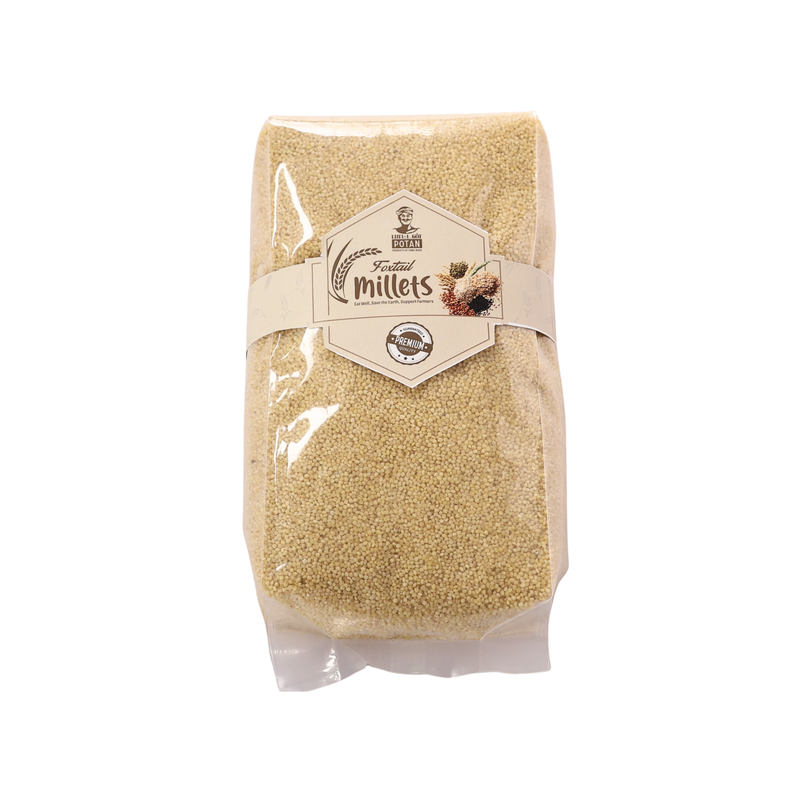
Thinnai, scientifically known as Setaria italica, stands as one of Tamil Nadu’s most ancient cultivated grains, deeply woven into the cultural fabric of the state since Sangam times. In Tamil Nadu, foxtail millet cultivation historically flourished across Dindigul, Madurai, Salem, Theni, and Coimbatore districts, though its cultivation has diminished in recent decades as farmers shifted to more commercially dominant crops.
The grain thrives particularly well in the dryland regions of Tamil Nadu’s central districts, where the red sandy loam soils and moderate rainfall patterns create ideal growing conditions for this hardy crop. Traditionally sown during the Kharif season between June and July with the onset of monsoon rains, thinnai is harvested within 60 to 75 days, making it an attractive option for farmers seeking quick-return crops in rain-fed agricultural systems. The cultivation practices passed down through generations involve minimal external inputs, as the crop’s natural resilience allows it to flourish even in challenging climatic conditions with rainfall as low as 50-75 centimeters annually.
Tamil Nadu’s farmers value thinnai not only for its nutritional density but also for its exceptional storage properties, with properly stored grains remaining viable for up to two years without deterioration. The grain contains approximately 11-12 grams of protein per 100 grams, along with substantial amounts of dietary fiber ranging from 8-10 grams, making it superior to rice in nutritional terms and particularly valuable for managing blood sugar levels with its low glycemic index of 50-60.
In Tamil culinary traditions, thinnai transforms into countless beloved dishes including thinnai upma for breakfast, thinnai dosa made from fermented batters, thinnai pongal during festivals, and the nutritious thinnai kanji served as comfort food to children and the elderly alike. The cultural significance of thinnai extends beyond nutrition, as ancient Tamil Sangam literature references this grain as a staple food of the Marudham (agricultural) regions, celebrating it in poems that describe the golden fields swaying in the breeze and the prosperity it brought to farming communities.
Today, as health-conscious consumers rediscover traditional foods, Tamil Nadu is witnessing a revival of thinnai cultivation, particularly in organic farming circles and through government initiatives promoting millet cultivation under the Tamil Nadu Millets Mission, though challenges remain in terms of processing infrastructure and market linkages for farmers willing to return to this ancestral crop.

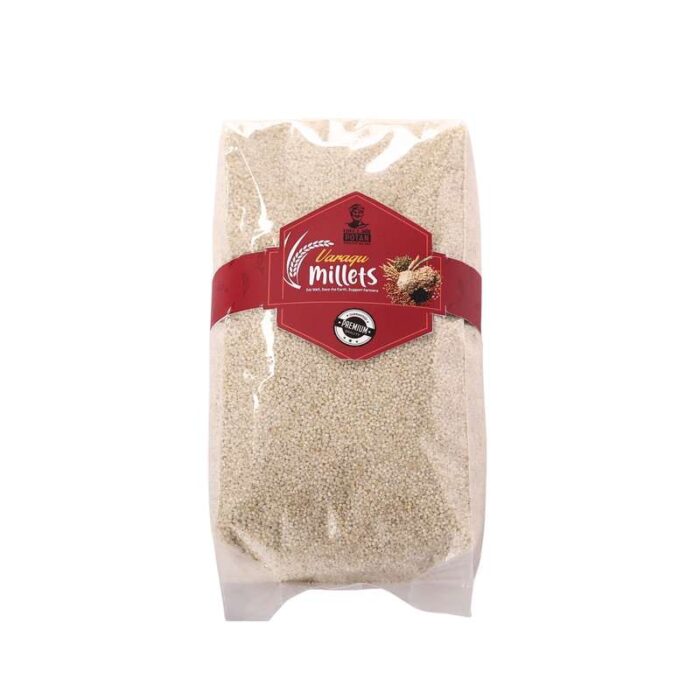
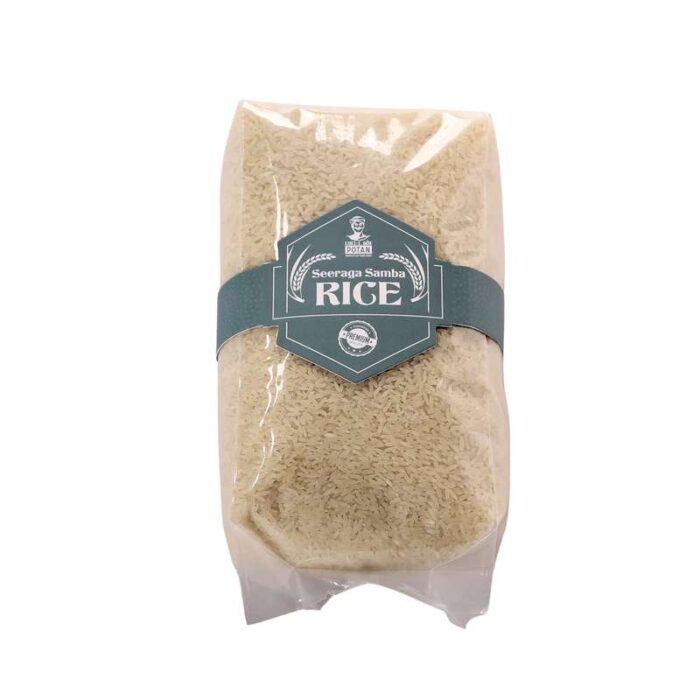
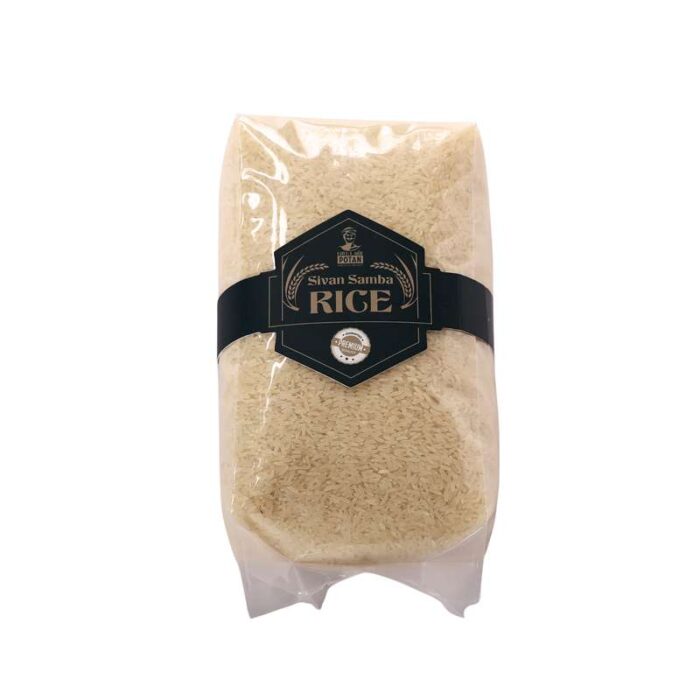
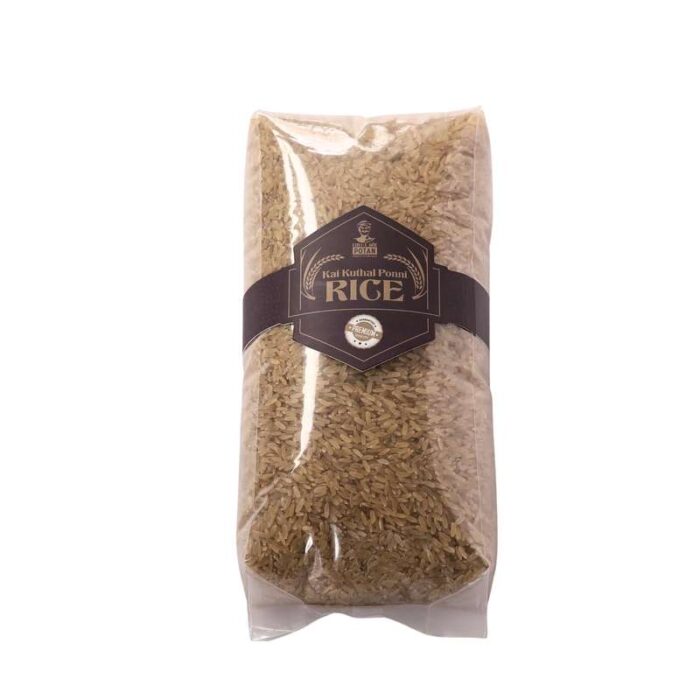
Reviews
There are no reviews yet.